Creating Beautiful Easter Crafts with Laser Cut Easter Egg Holder SVG
As Easter approaches, crafters of all skill levels are looking for creative ways to add a personal touch to their holiday decorations. One increasingly popular option is the Laser Cut Easter Egg Holder SVG — a versatile digital file that allows for precision cutting across a variety of machines and materials. Whether you're using a laser cutter, Cricut, Glowforge, or CNC machine, this design offers flexibility for both functional and decorative projects.
Why Choose Laser Cut Easter Egg Holder SVG?
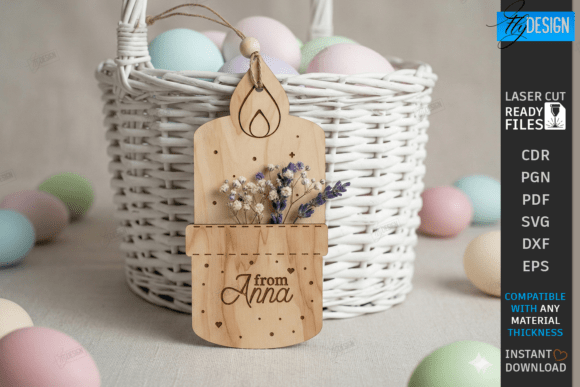
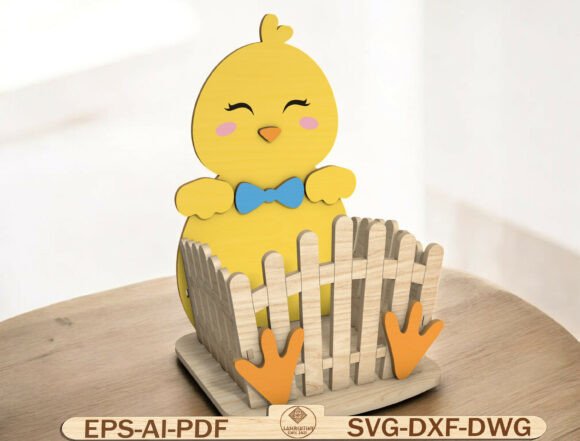
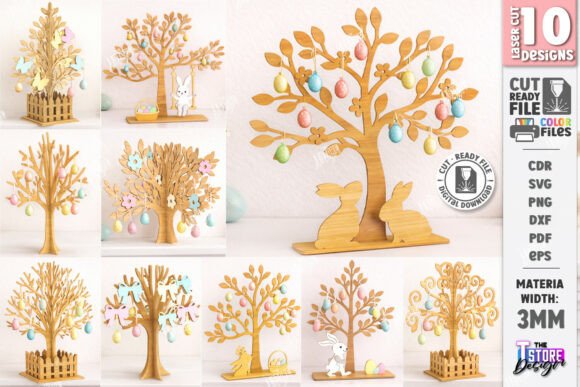
The appeal of the Laser Cut Easter Egg Holder SVG lies in its adaptability and ease of customization. The file format supports multiple design software platforms and comes in AI, EPS, SVG, DXF, and PNG versions, making it compatible with most crafting tools. It’s ideal for layered paper crafts, home décor, and even small-scale entrepreneurial projects like custom Easter gifts or seasonal market products.
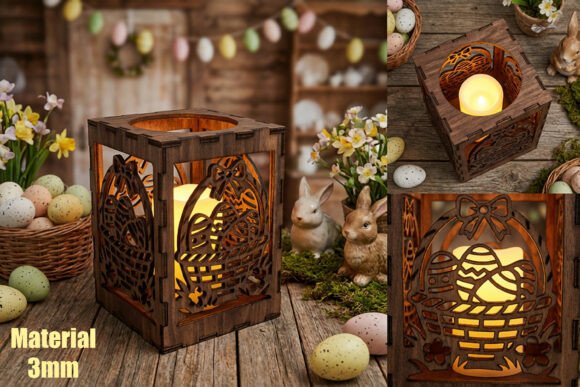
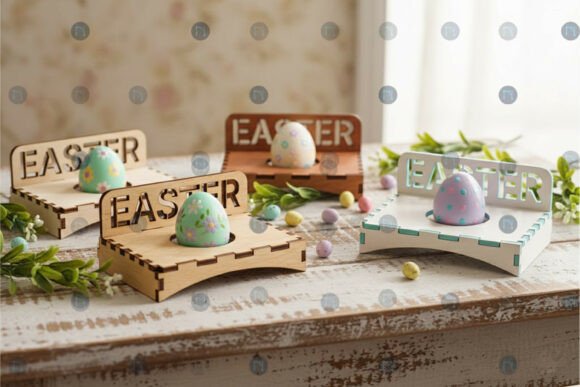
What sets this design apart is the realistic 3D mockup preview, which gives users a clear visual of how the final product will look before cutting begins. This feature helps reduce trial and error, saving time and materials.
Common Mistakes to Avoid When Using Laser Cut Easter Egg Holder SVG
Despite its benefits, even experienced crafters can run into issues if they overlook certain details. Here are some common pitfalls and how to avoid them:
1. Ignoring File Compatibility
One of the most frequent issues is assuming that all file types work equally well with every machine. While SVG is widely used for Cricut and Silhouette machines, DXF is often preferred for CNC or laser cutting software. If you're using Glowforge, make sure the SVG doesn't contain unsupported elements like gradients or embedded images.
Better approach: Always check the supported file types for your specific machine and test the file in your design software before cutting.
2. Skipping the Test Cut
It's tempting to jump straight into cutting your final material, especially if you're on a time crunch. However, skipping a test cut on scrap material can lead to misaligned layers, incorrect sizing, or poor fit between components.
Better approach: Perform a test cut on a similar but less expensive material first. This helps you verify dimensions and adjust settings like power, speed, and focus for optimal results.
3. Overlooking Material Thickness
Many users assume the design works for all material thicknesses. However, the slot or joint dimensions in the Laser Cut Easter Egg Holder SVG may be calibrated for a specific thickness — usually 1/8" or 3mm.
Better approach: If you're using a different material thickness, scale the joint areas accordingly. Most design software allows you to adjust specific parts without distorting the entire image.
4. Not Optimizing for Layered Projects
The Laser Cut Easter Egg Holder SVG is often used for layered paper or wood crafts. However, some users forget to separate layers or group them incorrectly, which can lead to confusion during assembly or a cluttered final look.
Better approach: Use your design software to organize layers clearly. Assign different colors or line types to each layer so you can easily distinguish between them during cutting and assembly.
5. Misjudging the Visual Impact
While the 3D mockup preview is helpful, it doesn't always reflect how the final product will look in real life, especially when using different materials like acrylic, wood, or cardstock. What looks elegant in the preview might appear too busy or too plain once cut.
Better approach: Consider the material's color, texture, and finish before finalizing your design. A simple test print or laser engraving sample can help you visualize the final effect more accurately.
What to Check Before Downloading or Buying
Before committing to a purchase or download, make sure the Laser Cut Easter Egg Holder SVG meets your specific needs. Here are a few key checks:
- File formats included: Does it offer the formats you need (SVG, DXF, AI, etc.)?
- Customization options: Can you resize or modify the design without losing quality?
- Clear documentation: Are instructions or tips provided for assembly or cutting settings?
- License type: Is it for personal use, commercial use, or both?
- Customer reviews: Do other users mention any issues or offer helpful tips?
Choosing the Right Materials for Your Project
Material choice significantly affects the final look and durability of your Laser Cut Easter Egg Holder SVG project. For a rustic look, consider birch plywood or MDF. Cardstock or patterned paper works well for lightweight, decorative holders. Acrylic or clear plastic can offer a modern, translucent effect, especially when backlit.
Always test your material before committing to a full cut. Some materials may require slower speeds or different focus settings to avoid charring or melting, especially in intricate designs.
Designing for Different Skill Levels
Whether you're a beginner or an experienced maker, the Laser Cut Easter Egg Holder SVG can be adapted to your comfort level. Beginners may want to start with a simplified version of the design or use pre-assembled kits. Intermediate and advanced users can experiment with layering, engraving, or combining multiple designs for a custom Easter centerpiece.
Don't be afraid to personalize the design by adding names, dates, or seasonal messages. Many SVG files allow for easy text integration, giving your project a unique touch.
Final Thoughts
The Laser Cut Easter Egg Holder SVG is more than just a digital file — it's a gateway to creative expression and thoughtful holiday crafting. By understanding the nuances of file compatibility, material selection, and proper cutting techniques, you can avoid common frustrations and achieve professional-looking results.
Whether you're crafting for personal enjoyment, gifting, or small business purposes, taking the time to plan and test your project ensures a smoother, more satisfying experience. With the right approach, your Easter egg holder can become a cherished part of your holiday traditions or a standout offering in your creative portfolio.