Easter Egg Layered SVG: A Versatile Design for Spring Décor and Laser Cutting Projects
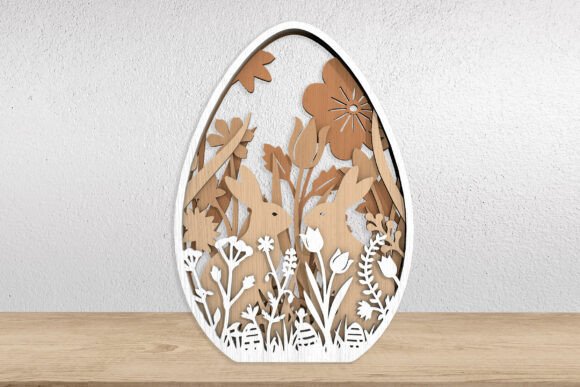
The Easter Egg Layered SVG is a popular digital design format that brings a dynamic 3D effect to Easter and spring-themed décor projects. This layered SVG file is especially effective when laser cut from materials like wood, plywood, MDF, or acrylic. Whether you're a hobbyist, small business owner, or professional designer, this design offers creative flexibility for wall art, shelf sitters, door signs, and more. However, to get the most out of your Easter Egg Layered SVG, it's important to understand how to use it correctly and avoid common pitfalls.
What Makes Easter Egg Layered SVG Unique?
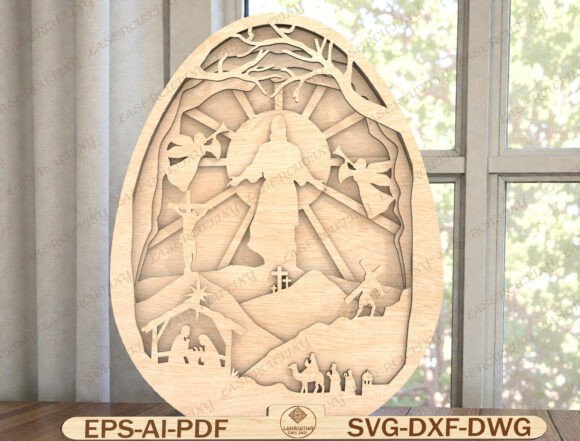
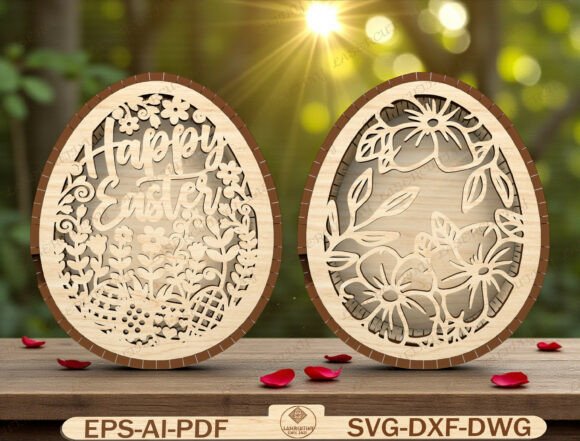
The layered design of the Easter Egg SVG allows for depth and dimension when laser cut and assembled. Each layer is carefully spaced and aligned to create a visually appealing 3D look without requiring complex assembly. This makes it ideal for laser cutting machines like Glowforge, xTool, and LightBurn, as well as CNC routers. The file set typically includes SVG, AI, DWG, EPS, DXF, and PDF formats, ensuring compatibility with various design and cutting software.
Users often choose this design for Easter-themed home décor, seasonal gifts, and small business product lines. It’s especially popular among those who enjoy creating personalized, handcrafted items with a professional finish.
Common Mistakes When Using Easter Egg Layered SVG Files
While the Easter Egg Layered SVG is a powerful design tool, several common mistakes can lead to frustration or poor results. Understanding these issues—and how to avoid them—can save time, reduce material waste, and improve the final outcome.
1. Not Verifying File Compatibility
One of the most frequent issues is assuming that all SVG files work with every design or laser cutting software. While the Easter Egg Layered SVG comes with multiple file formats, not all machines or programs support each type. For example, some laser cutters may only accept DXF or SVG files, while others work best with PDF or AI.
Better approach: Before purchasing or downloading, check your machine’s specifications and the software you use most frequently. Confirm that it supports the file types included in the ZIP folder.
2. Skipping the Test Cut
Many users jump straight into cutting their final material without testing the design on scrap material first. This can lead to alignment issues, incorrect layer spacing, or material-specific problems like burning or charring.
Better approach: Always perform a test cut on a similar, less expensive material before committing to your final piece. This allows you to adjust settings like power, speed, and focus to suit your specific machine and material type.
3. Ignoring Layer Order and Assembly Instructions
The layered design relies on proper layer order to achieve the 3D effect. Some users overlook the importance of layer numbering or assembly guides, which can result in a misaligned or confusing final product.
Better approach: Carefully review the included instructions or layer labels before cutting. If no guide is provided, consider labeling layers yourself in your design software to ensure correct assembly later.
4. Using Low-Quality Materials
Material choice significantly affects the final appearance and durability of your Easter Egg Layered SVG project. Some users opt for the cheapest available wood or acrylic, which can warp, chip, or fail to cut cleanly.
Better approach: Invest in quality materials suited for laser cutting. Plywood and MDF with consistent density and smooth surfaces yield better results. For acrylic, choose cast over extruded for cleaner cuts.
What to Check Before Downloading or Purchasing
Before you commit to downloading or purchasing an Easter Egg Layered SVG, there are a few key factors to consider to ensure the file meets your needs and expectations.
- File formats included: Make sure the ZIP folder includes the file types your machine and software can handle.
- Layer clarity: Look for clearly separated layers with alignment guides if possible.
- Design scale: Check whether the design is scalable for your intended use, whether it’s a small gift or a large wall piece.
- Vendor reputation: Purchase from a reputable seller with clear descriptions and customer support in case of issues.
Realistic Examples of Easter Egg Layered SVG Uses
One user wanted to create personalized Easter gifts for friends and family using the Easter Egg Layered SVG. They downloaded the file and immediately tried cutting it from 1/8” MDF without testing. The result was uneven edges and misaligned layers due to incorrect laser settings. After adjusting the power and speed based on a test cut, they achieved a clean, professional finish.
Another creator used the design to make a series of Easter-themed wall art pieces for a local market. By carefully labeling each layer and using high-quality birch plywood, they produced consistent, eye-catching items that sold quickly. They also shared a short video on social media showing the assembly process, which helped attract more customers.
How to Get the Most from Your Easter Egg Layered SVG
To make the most of your Easter Egg Layered SVG, follow these practical tips:
- Use the right software: Ensure your design software supports layered SVG files and allows for precise alignment and scaling.
- Organize layers carefully: Before cutting, organize and label layers in your software to avoid confusion during assembly.
- Adjust for material type: Different materials react differently to laser cutting—adjust settings accordingly.
- Keep tools and workspace organized: Having your tools and materials ready streamlines the assembly process and reduces errors.
Final Thoughts
The Easter Egg Layered SVG is a versatile and visually appealing design that can elevate your Easter and spring décor projects. With the right approach, you can avoid common mistakes and create stunning, professional-quality items for personal use or resale. Always check file compatibility, test your settings, and use quality materials to ensure the best results. Whether you're a beginner or an experienced maker, this design offers a rewarding creative opportunity when used thoughtfully.